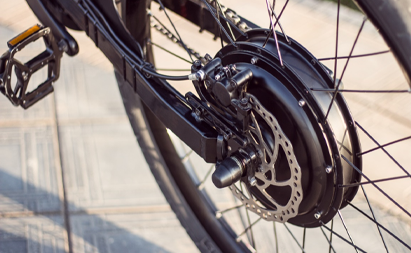
Beyond the Benchmark! Premium Bicycle Brake Pads: Maintaining Qualified Shear Strength After Extreme 370 °C High Temperature and Severe Salt Spray Exposure
In a bicycle braking system, brake pads are the final line of defense for rider safety. To ensure riders maintain stable braking performance during high-temperature friction on long descents and in humid coastal environments, we conducted extremely rigorous dual verification tests on our premium brake pads
Why Is “Shear Strength” the Core of Safety?
Brake pads consist of friction material bonded to a metal backing plate. If the bonding strength between these two components is insufficient, the friction material may detach (Shear Failure) under extreme heat or corrosion, which can cause sudden brake failure. Therefore, ensuring that shear strength meets standards in all environments is our top priority.
The commonly observed detachment strength is approximately 3.0–5.0 MPa (set according to application requirements)
Dual Rigorous Testing Process
Our testing is divided into two groups to ensure every brake pad leaving the factory meets the highest quality standards:
Test A: Immediate Finished-Product Verification
Test Subject: Completed finished products.
Test Procedure: After production is completed, a shear strength test is performed directly.
Purpose: To ensure the basic manufacturing process meets structural strength standards.
TEST A
ADUI Products:14.65MPa
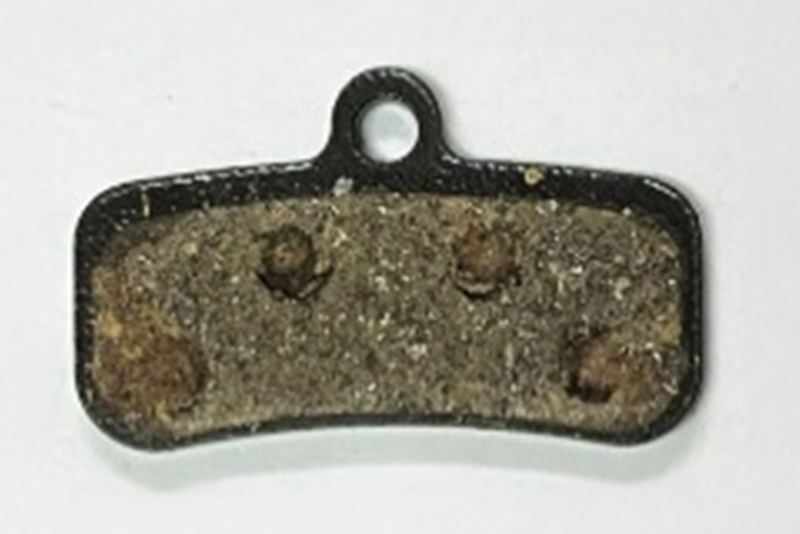
OEM Brand S:8.75 Mpa
Test B: Extreme Environment Composite Testing
To simulate real-world extreme usage scenarios, we conducted a composite cyclic test lasting hundreds of hours:
Phase 1: Bench High-Temperature Testing (3 Cycles)
Heat the brake system to 370 °C.After cooling below 60 °C, proceed to the next cycle. Each cycle uses a separate set of components, the rotor must be replaced for each test group, and temperature line conditions are strictly monitored.
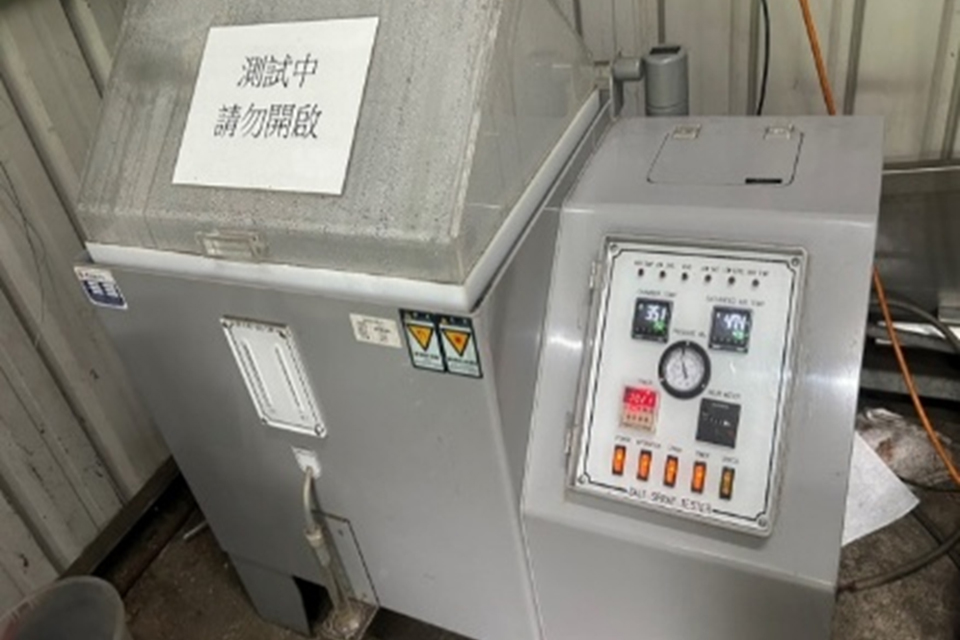
Phase 2: High-Concentration Salt Spray for 140 Hours
Simulates several days of coastal climate or high-temperature humid environments to evaluate the corrosion resistance of the backing plate and the stability of the bonding layer.
Phase 3: Secondary High-Temperature Testing (3 Cycles)
Another series of thermal cycles between 370 °C and 60 °C to ensure the material does not crack after oxidation and corrosion.
Final Verification: Shear Strength Test
After enduring all of the above “stress conditions,” a final shear strength test is conducted to confirm the structural integrity remains fully qualified.
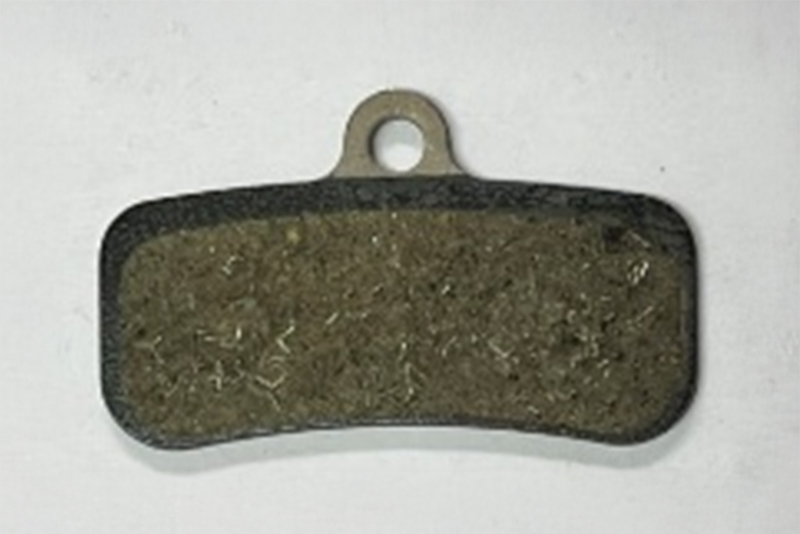
TEST B
ADUI Products:10.82MPa
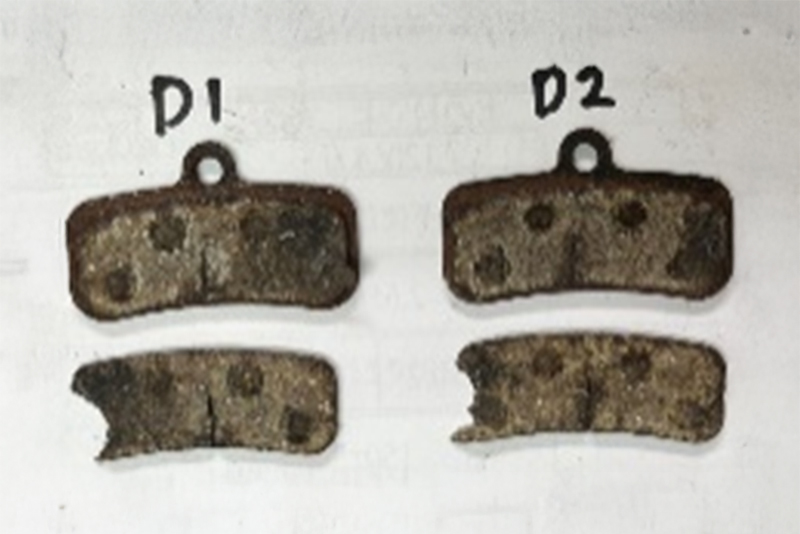
OEM Brand S:5.54Mpa
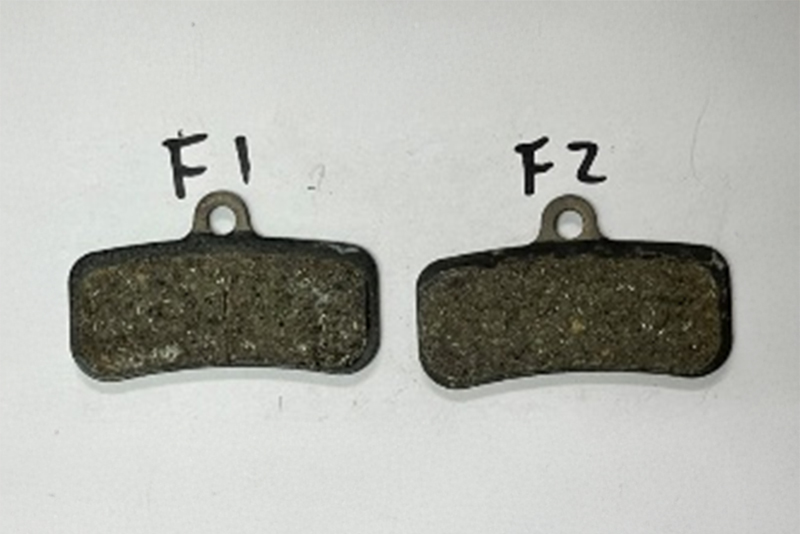
Test Results: Dual Assurance of Stability and Safety
Comparative results show that after experiencing a total of six 370 °C thermal cycles and 140 hours of salt spray exposure, our brake pads still pass the strict shear strength qualification standards. This means that even during long mountain descents or in harsh weather conditions, your braking system continues to provide maximum reliability.
Conclusion
Choosing bicycle brake pads that pass extreme testing is not only about performance—it is a commitment to safety. We rely on data to prove our standards, ensuring every rider can face challenges with confidence and ride freely.